
Project Background and Purpose
The Office of Planning and Zoning (OPZ) did extensive data analysis and community outreach during the County’s General Development Plan, Plan2040, and Region Plan processes. Analysis and community feedback throughout these processes showed that there are notable land use disparities within the County. Land use can noticeably impact human health, well-being, and quality of life.
Plan2040 and the Region Plans offer various recommendations to address disparities in land use. Plan2040 strategy BE12.1j instructs OPZ to study the location of industrial and other inharmonious land uses to determine whether low-income communities and communities of color experience disproportionate impacts from these land uses.
The goal of the study is to minimize future community health impacts, particularly for communities that are overburdened. OPZ intends to produce a final report to inform future land use policies, plans, and decisions. The final report will be posted publicly to provide community members the analytical report.
About the Environmental Justice Study
Environmental justice is a social movement that addresses inequities that occur when communities are disproportionately harmed by industrial or inharmonious land uses.
Maryland defines environmental justice as “equal protection from environmental and public health hazards for all people regardless of race, income, culture, and social status.” This means everyone should have access to: affordable, fresh food; fresh air; reliable, clean water; parks, open space, and recreational opportunities; and safe and sanitary housing.
The goals of environmental justice often include: a transparent and accessible civic process that provides opportunities for community participation; meaningful involvement and consideration of impacted communities in the decision making process; and equitable distribution of environmental burdens and amenities so that no one community is overburdened.
The County’s General Development Plan, Plan2040, lays a framework to protect the natural environment, shape development of the built environment, provide public services to promote healthy communities, and support a diverse resilient economy. This study is specifically a recommendation of Plan2040 strategy BE12.1j:
Conduct a study to examine whether low-income communities and communities of color experience disproportionate impacts from proximity to industrial and other inharmonious land uses. The findings of the study should be used to minimize future community health impacts.
The goal of the study is to identify areas where there is an inequitable burden of industrial and inharmonious land uses in vulnerable communities. The study does this by identifying areas where there are significant environmental pollutants or human health indicators that are correlated with industrial land uses and other inharmonious land uses. The study also identifies the location of industrial land uses that are associated with government services such as waste management facilities or military installations. The study will also include narratives from impacted community members.
The findings of the study will be used to inform future land use policies, plans, and decisions to minimize future community health impacts.
Community feedback from the Region Plans shows there are key areas of community concern in the north, west, and southern areas of the County. Some of these community concerns include:
- BWI Airport and surrounding industrial development
- Industrial activities at Curtis Bay and Hawkins Point
- Waste from military activities at Fort Meade
- Surface mining and landfill sites
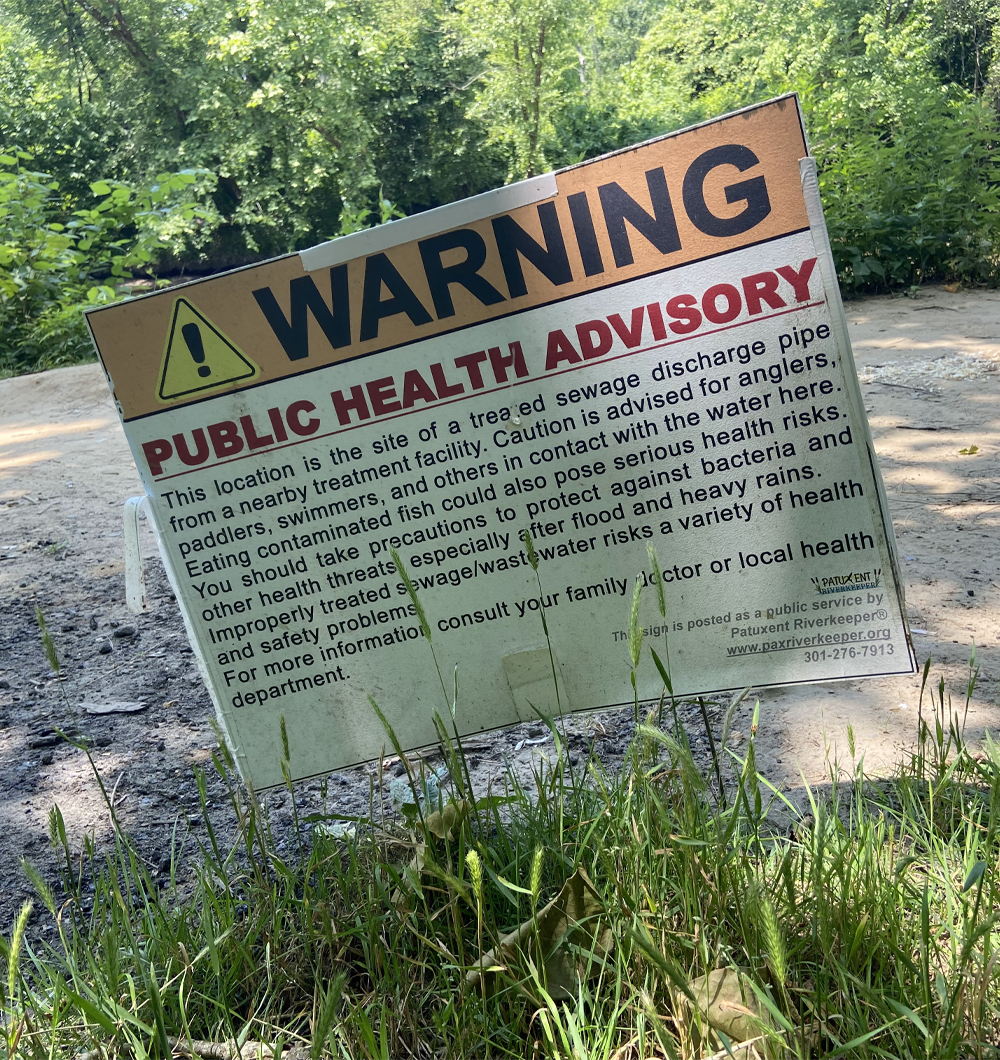
- Privately-owned wastewater collection and treatment systems
Please report any suspected violations to the appropriate agencies. Members of the public can submit a written complaint through the Contact Us Form on the County Website or through the Land Use Navigator (LUN) system. The County will investigate anonymous complaints; however, if the complainant's name or contact information is provided it becomes part of the public record and subject to public disclosure through the Maryland Public Information Act (MPIA). Please see the websites below for additional information regarding Code compliance.
- Zoning Enforcement - Investigates violations of Article 18 of the County Code related to zoning and property uses.
- Department of Health - Investigates violations of Article 15 of the County Code related to property maintenance and unsanitary conditions.
- Department of Inspections and Permits - Investigates violations of the County Code related to unsafe structures, casual entry, and unauthorized construction or clearing.
- Department of Public Works - Investigates concerns relating to County infrastructure and assets.
The State of Maryland, County agencies, and community partners are working to improve equal protection from environmental and public health hazards. The resources listed below are just a few examples of documents that you can use to learn more about environmental justice in your community.
- The State developed the MDEnviroScreen, a tool to help identify communities disproportionately burdened by multiple sources of pollution and with demographic characteristics that are more likely to be underserved by government resources. Collecting and displaying this data allows users to evaluate the relationships between demographics and pollution burden, and can be used to better understand issues related to environmental justice and racial equity in Maryland.
- Anne Arundel County’s Community Wellbeing Index tracks data across several indicators to develop policies, practices, and programs that prevent, reduce, and eliminate barriers that inhibit equal access and outcomes for all community members. Some of the indicators that are tracked include life expectancy, security from natural disasters, and access to healthy foods.
- The Community Foundation of Anne Arundel County produces Poverty Amidst Plenty, a community needs assessment that provides data on social determinants of health and quality of life. The report is intended to increase knowledge, raise awareness, and frame informed discussions about persistent local trends and needs.
Get Involved!
If you feel that you have been impacted by industrial land uses in your community and want to share your experience to inform the study, please contact staff at lrp-opz@aacounty.org. To stay updated on future feedback opportunities, join our mailing list below.