
When I was a candidate for County Executive in 2018, I got a call from some Mayo Peninsula residents about an area of forest that had recently been clear-cut of trees to make way for a development that the county had recently permitted. After the damage had been done, the Maryland Department of Environment issued a stop work order. County regulators had failed to identify, and failed to make the developer identify, the wetlands at the site. They were clearly visible after the trees were cut down.
That place was connected to the largest contiguous forest in the area and very close to Glebe Creek, where Arundel Rivers Federation plants oysters as part of a restoration project. And it is just feet from a much larger forested parcel that the owner was planning to develop, a place they called Glebe Heights.
By the time I took office at the end of that year, I was aware of many sites across the county where developers had been allowed to destroy valuable environmental resources despite regulations that were designed to protect them. There was almost always a list of campaign contributions to be found from those very developers and the people who worked for them - to the County Executive and members of the County Council.
My staff and I set out to clean things up. I hired one of those Mayo activists, Matt Johnston, to be my environmental policy director, and we worked with our regulatory agencies on “Green Notices” to make clear to developers that “Modifications” to circumvent environmental standards would only be granted when overall environmental protections were enhanced. We also strengthened the process for identifying environmental features, like wetlands, steep slopes, and specimen trees.
But the most difficult thing we did was to introduce, negotiate, and eventually sign a county bill that strengthened our forest conservation standards in the fall of 2019. When we drafted the bill, we were thinking about Glebe Heights and places like it. We started with a true “no net loss” bill, and negotiated down to something that was still a major improvement. It’s become far more difficult in our county to develop on forested land, so our developers are shifting to smart and sustainable growth strategies. I’m proud of that.
We thought we’d protected Glebe Heights and similar forests that are 75 or more acres and home to Forest Interior Dwelling Species (FIDS), but a Council amendment to the bill grandfathered out any development that was able to get its application into the pipeline for approval by a future date. Glebe Heights, and a flood of other applications that came in before the deadline, was exempt from the new law.
Two hundred Mayo residents showed up for the developer’s required public meeting during the week between Christmas and the new year to protect the forest. The application by the developer turned out to be flawed, and when the developer was unwilling or unable to bring it into compliance with county code, the Office of Planning and Zoning denied it.
Scenic Rivers Land Trust had Glebe Heights on its priority list for conservation, so when that application was denied, they and Neighbors of the Mayo Peninsula got to work. They hoped to raise enough money to purchase the land with some help from the County, and they needed the owner to offer them a good deal. Hopes were high. An appraiser was lined up. All they needed was permission to access the site for the appraisal.
The owner said no. A new investment partnership had formed - Glebe Heights Partnership - and they were going to take another crack at getting a permit to develop the site.
The new development application had an even tougher path to approval. It was no longer exempt from the new forest conservation requirements. They would need to be granted modifications to proceed. The Office of Planning and Zoning did not grant the modifications.
This time, my office engaged directly. I had issued an Executive Order setting a goal to protect 30% of county land by 2030 and our Green Infrastructure Master Plan had laid out a strategy to get there. We had set aside funds in our budget for acquisitions to protect land like this, and we entered negotiations to do just that.
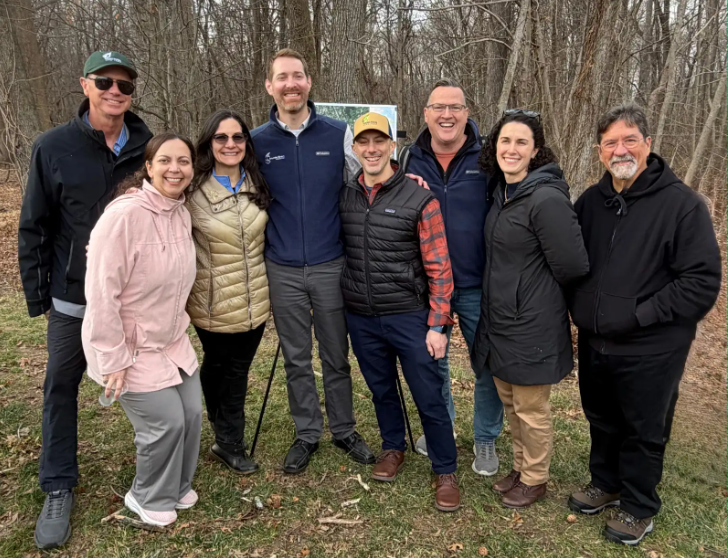
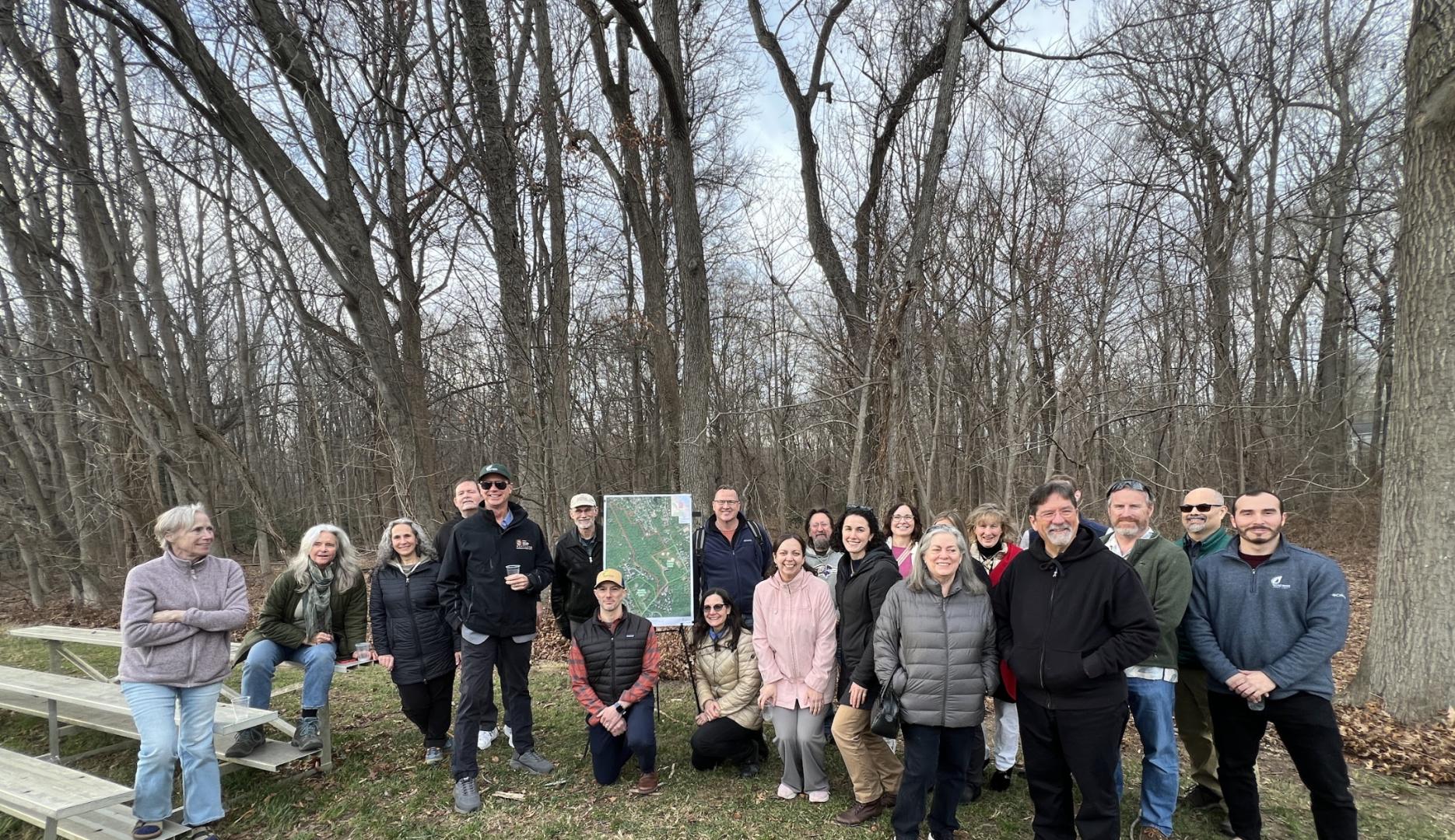
On Monday night, the County Council passed a resolution authorizing us to close on a deal, and yesterday I gathered at the site with Councilwoman Leadbetter, Councilwoman Rodvien, staff from Arundel Rivers Federation and Scenic Rivers Land Trust, Recreation and Parks Director Jessica Leys, and fifty or so of the forest’s advocates to celebrate. And celebrate we did - someone even brought birch beer soda so we could cheer to the birch trees we’re protecting.
Thank you to everyone who never gave up, and to those who question why we are protecting forests when we have a shortage of affordable housing in our county, please read Plan2040, our general development plan. Learn what you can about the history of sprawl development, smart growth, and gentrification. Simply allowing developers to build what they want where they want does not lower the cost of housing in a county like ours. It raises it. Our work to increase the supply of affordable places to live in our county is essential. You’ve read about it in these weekly letters, and you’ll be hearing more in the coming months.
Until next week…