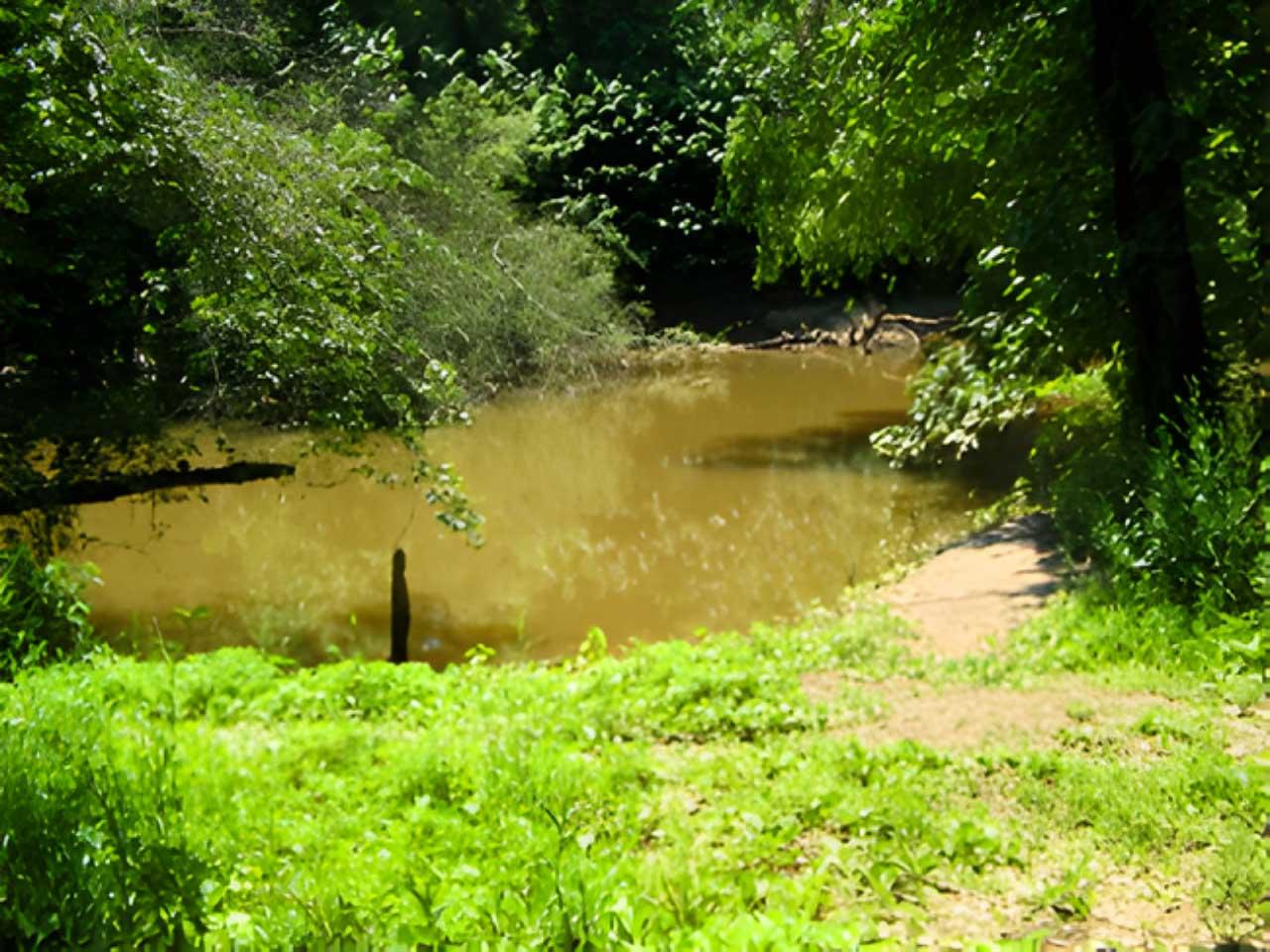
Cartop Boat Launch
Located at Stop 57 of the Patuxent River Water Trail, the Davidsonville Park launch is reached via a five-minute walk along a paved trail from the rear of parking lot E. Since there is no drive-up access and the path involves a steep hill, using a kayak cart or wagon is highly recommended. Please note that the wooden staircase is currently out of commission, and while an older rail system exists to assist with moving boats down the incline, it may be removed in the future. Visit the Patuxent River Water Trail website for more details.
- Park hours are open sunrise to sunset
- No swimming
- No camping
- No trailers
- No alcohol
- No fires
- No overnight parking
- All trash must be taken with you or place in a trash receptacle
What types of boats qualify as "car top boats?"
In general a car top boat refers to a canoe or kayak, although a boat that can be carried on or in a passenger vehicle that can be transported by hand to the water may qualify as a car top boat. None of the car top boat launch sites has a ramp for trailered boats. Please note that some sites are a long carry to the water or are difficult to access.
Are certain inflatable kayaks allowed at car top boat launch sites?
Inflatable kayaks must have multiple air chambers and be made of heavy duty PVC-coated polyester, Hypalon or similar material. These kayaks are meant to perform in a similar manner as rigid kayaks. Inflatable toy kayaks or rafts which are not designed to be placed in moving or rough water are prohibited from using the County's car top boat launch sites. There is a distinct difference between these two different types of inflatables and for safety purposes you should never launch any craft that is not designed for the body of water being entered.
Fishing
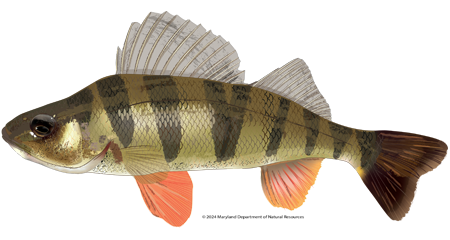
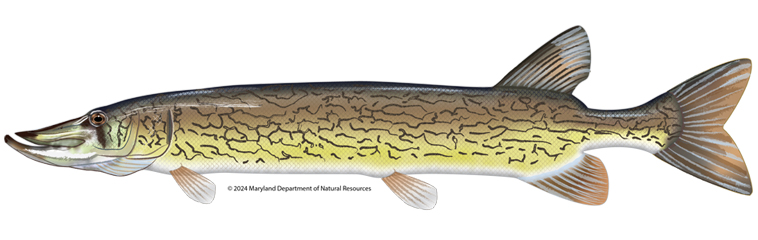
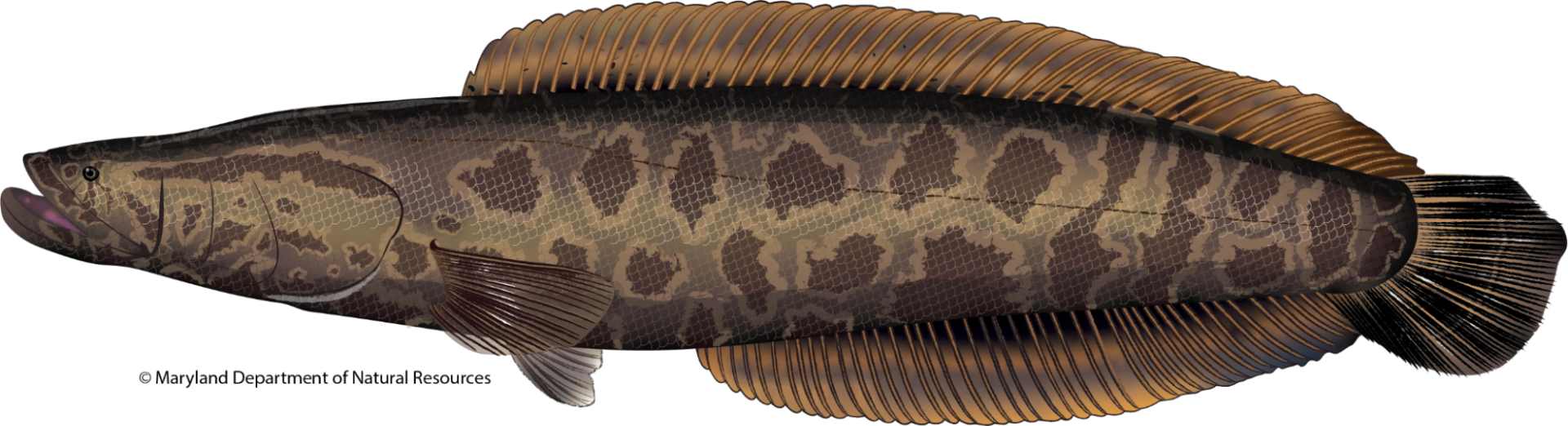
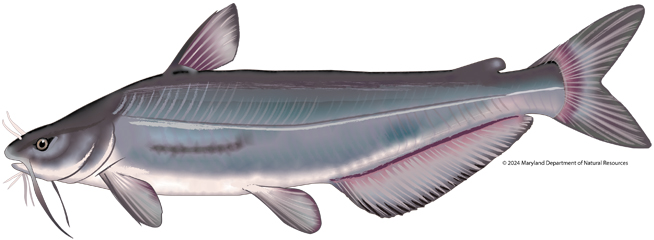
Anglers will find two small ponds located just off the main trail, though fishing here can be a bit of a challenge. The water is heavily vegetated, making it easy to snag hooks, and the fish population is relatively sparse. These ponds are fed by the Patuxent River, meaning they host species common to the region; while yellow perch are frequently seen, there are also reports of chain pickerel, snakehead, and the occasional catfish. While not an ideal destination for high-volume fishing, it offers a quiet spot for those looking to cast a line in a natural, river-fed environment.
Fishing in the park is regulated by the Maryland Department of Natural Resources. A Maryland fishing license is required for all anglers 16 and older. A fishing license can be obtained at most local bait and tackle shops and local Walmart stores.
You must follow all creel limits when fishing at Davidsonville Park, and abide by all Department of Natural Resources regulations. Learn more about Maryland Fishing Regulations.
Fishing in the parks is regulated by the Maryland Department of Natural Resources. A Chesapeake Bay Sportfishing License is required for fishing in tidal waters. A Maryland Freshwater fishing License is required for fishing in non-tidal waters. A fishing license may be obtained at most local bait and tackle shops.
Visit Maryland Fishing Regulations for current info on state fishing regulations. In addition some of the Anne Arundel County Park facilities require permits or fee for entry, or may have special catch and release areas. More info is provided in the listing for the individual facility. Anne Arundel County Park Rangers patrol the park facilities.
- Keep only the fished needed and within creel and size limits.
- Do not pollute - Properly dispose of trash. Mono fishing line can be a disaster for wildlife.
- Sharpen angling and boating skills.
- Observe angling and boating safety regulations.
- Respect other anglers' rights.
- Observe park rules and regulations and respect private property owners' rights.
- Pass on knowledge and angling skills. Take a kid fishing!!
- Support local conservation efforts.
- Never stock fish or plants into public water.
- Promote the sport of angling.
U.S. Fish and Wildlife Service reminds anglers not to throw unwanted items overboard.
While more than 400,000 anglers fish the Chesapeake Bay each spring and summer, approximately 3,600 pairs of osprey are busy building nests and rearing young. Ospreys line their nests with both natural and man made materials. Adult birds and their young have been found entangled in fishing line and impaled with hooks. Anglers can reduce injuries or deaths to osprey and other wildlife by simply disposing their broken lines, lures and hooks in trash containers.