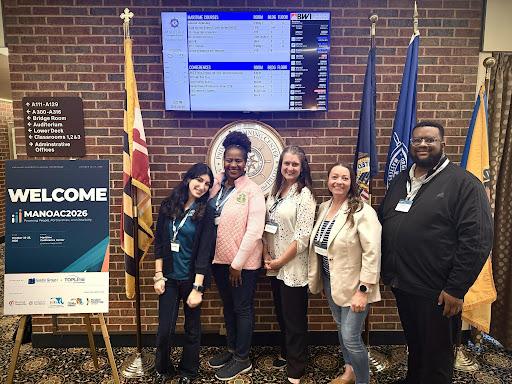
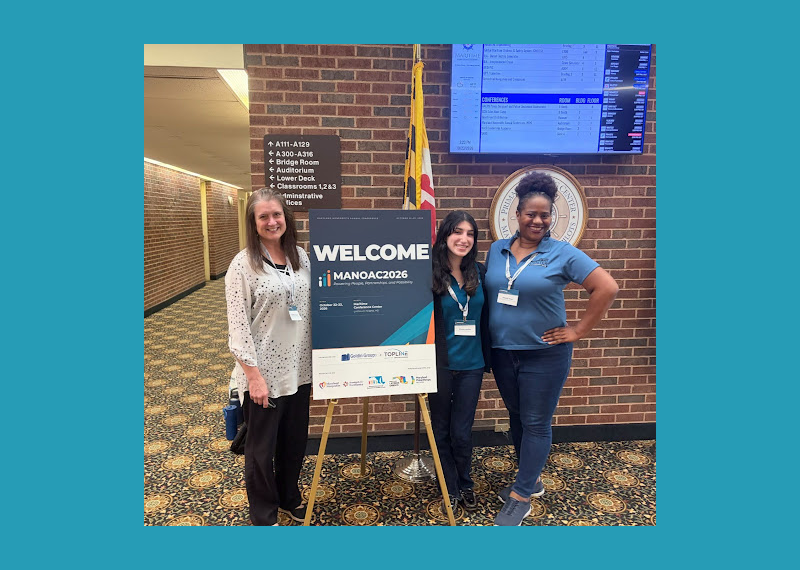
On October 22–23, Maryland Nonprofits hosted its annual conference in Linthicum, MD, bringing together sector leaders from across the state. We are still energized from the many "aha" moments! It was an especially meaningful experience for our NPC Intern, Ellie Heffes, and our Communication and Professional Development Manager, Nkeshi Free, who both attended the statewide gathering for the very first time. Across educational sessions and plenary discussions centered on "Powering People, Partnerships, and Possibility," our team gathered practical strategies and candid reminders about building organizations designed to outlive their founders, combating leadership burnout, and leveraging new tools without losing human connection. We’re excited to put those new insights and connections to work for our local nonprofit community!
Top "Aha!" Moments & Inspired Takeaways for Nonprofit Leaders
- Pair Your Passion with Numbers and a Plan: Personal lived experience and passion may launch a nonprofit, but a documented plan, measurable metrics, and a strong business model keep it functioning. Funders want to see that you know your numbers, can validate community need with data, and possess the agility to pivot when government or traditional funding shifts.
- Reframe Succession Planning as Continuity, Not Replacement: Succession planning is leadership in action—it is not about who will replace a single person, but how essential functions will continue. Map out your core operations, create standard operating procedures (SOPs), and ensure team members have the authority, information, and capacity to keep the mission moving forward.
- We Are Human Beings, Not Human Doings: You cannot harvest from depleted soil. Burnout is a real threat to our sector, and exhaustion does not equal excellence. Self-care is not a luxury; recognizing that constant busyness can mask deeper stress allows leaders to prioritize sustainable well-being for themselves and their teams.
- Lead with Accountability and Psychological Safety: Leaders set the workplace tone regardless of their intentions. When leaders take genuine accountability for shortcomings, they foster psychological safety—a shared environment where staff feel safe to take risks, speak up, and innovate without fear of embarrassment or punishment.
- Check Egos to Collaborate and Reduce Duplication: High administrative costs often stem from duplicated efforts across organizations. Checking egos at the door, focusing on authentic relationships, and curating the right mix of community partners, sponsors, and funders multiplies community impact.
- Use AI to Work Smarter, Not Replace Connection: Artificial intelligence is a powerful tool for streamlining grant writing and donor engagement, allowing small teams to work smarter rather than harder. However, technology should never replace the authentic human relationships that sit at the heart of nonprofit success.
- Advocate Intentionally—Words Matter: Nonprofits have the collective power to advocate for policies, programs, and community priorities. Clear communication, systems thinking, and focusing on changing systemic situations—rather than trying to "fix" people—drive lasting community transformation.