
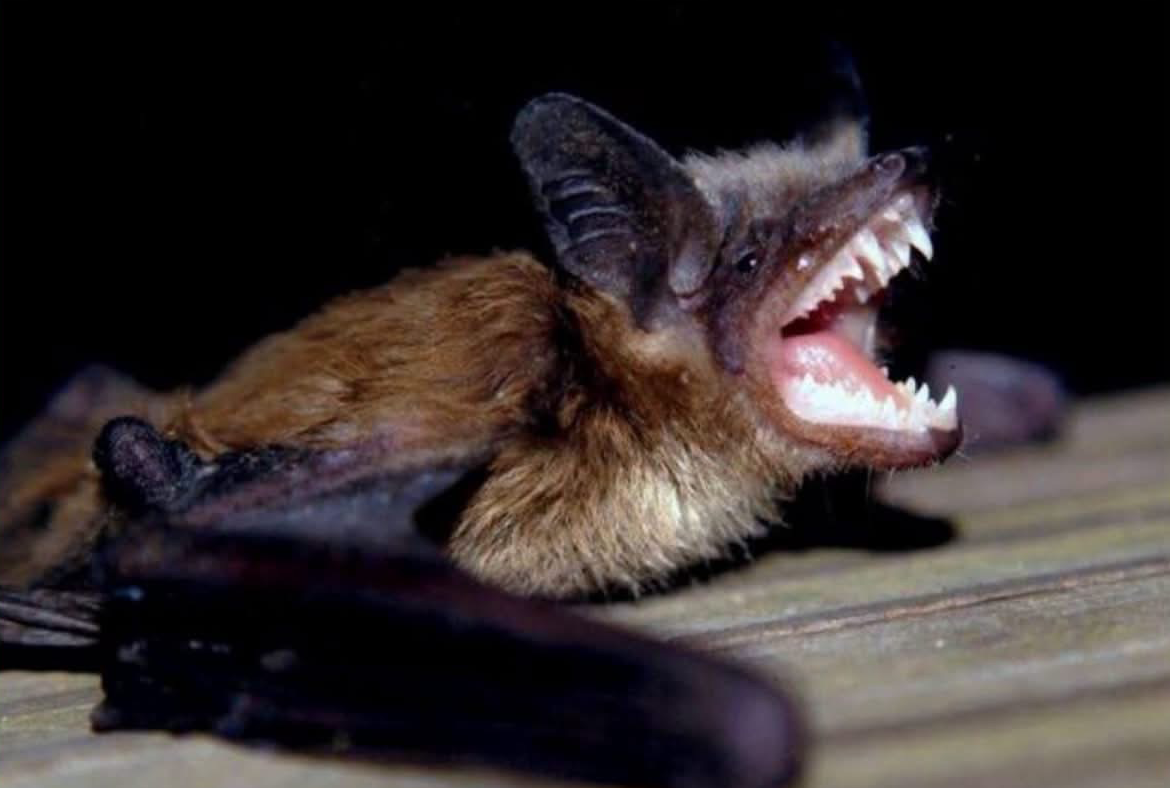
Understanding Rabies: Transmission, Prevention, and Bat Safety Protocol
What is rabies?
Rabies is a viral disease that attacks the nervous system of all mammals. Rabies is nearly always fatal once symptoms appear. Raccoons, skunks, foxes, cats and bats are the most common rabid animals in Maryland.
How is rabies spread?
Rabies virus is in the saliva of infected animals and is spread by biting. Being scratched or having saliva come in contact with eyes, nose, mouth, or open wounds may also be considered an exposure. Petting a rabid animal or coming into contact with blood, urine, feces or skunk spray of a rabid animal are not rabies exposures. The rabies virus is killed by heat, sunlight, drying, and many common detergents and disinfectants. Animals with rabies may spread the virus before they show signs of the disease.
Can I tell if an animal has rabies?
- Changes in an animal’s behavior may indicate rabies. Wild animals may act friendly. • Domestic animals may become aggressive
- Rabid animals may stagger, drool, or become paralyzed. Protect yourself and your pets. Immunize! In Maryland, dogs, cats, and ferrets must be vaccinated against rabies by 4 months of age.
- Rabies vaccines are also available for horses, cattle and sheep.
Be aware of bats.
Most recent human cases of rabies in the U.S. have been caused by exposure to bats. When a person is exposed to a bat, the bat should be collected safely, if possible, and tested for rabies. Sometimes it is necessary to seek medical advice even in the absence of an obvious bite wound. If you or someone else in your home awakens to find a bat in the room, or any other situation in which a bat bite cannot be ruled out, call your local health department.
How do I capture a bat?
The safest way to capture a bat is to use a wildlife cooperator or trapper. Your local health department or the Maryland Department of Natural Resources (DNR) can help find these professionals in your area.
Use caution if you trap a bat yourself.
- Close doors and windows.
- Wait for the bat to land.
- Wearing heavy gloves, place a coffee can or box over the bat.
- Slide a piece of cardboard under the container to trap the bat inside.
- Firmly hold the cardboard in place against the container, turn it right side up, and tape the cardboard tightly to the container
- Do not release the bat.
- Contact your local health department or animal control agency to determine if the bat should be tested for rabies.
Bat-proof your home.
- If bats are not living in your home, you can bat-proof from September 1 to March 1.
- Install window screens and chimney caps. Install window screens and chimney caps.
- Close openings greater than 1⁄4 inch by 1⁄2 inch
- Your local health department and the DNR can provide more information about bat-proofing and bat exclusion
Protect your family and pets:
- Have your dogs, cats, and ferrets vaccinated regularly
- Do not let pets roam free.
- Enjoy wildlife from a distance
- Teach children to stay away from animals they don’t know.
- Cover garbage cans securely and do not leave pet food outside
- Prevent bats from entering your home.
- Report bites and other animal exposures to your local health department, animal control agency, or police.
Rabies Quarantine Types and Safety Protocols
This brochure outlines the specific quarantine periods, confinement requirements, and medical actions needed for animals exposed to rabies or involved in potential human exposures.
Quarantine Types & Protocols Brochure
For more information regarding bites and rabies information, please visit Maryland Department of Health: https://health.maryland.gov/phpa/oideor/czvbd/pages/rabies.aspx