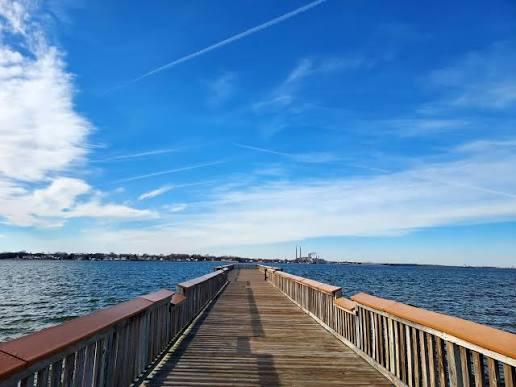
Fishing
Fort Smallwood Park is located on a peninsula in northern Anne Arundel County, the park provides ample shoreline and pier access for anglers of all skill levels. Whether you are looking to cast a line for common Chesapeake species or simply enjoy a relaxing day by the water, Fort Smallwood is a prime destination.
The Maryland Department of Natural Resources regulates fishing in the park. A Maryland Tidal Water fishing license is required for all anglers 16 and older. A fishing license can be obtained at most local bait and tackle shops and local Walmart stores.
You must follow all creel limits when fishing at Fort Smallwood Park, and abide by all Department of Natural Resources regulations. Learn more about Maryland Fishing Regulations.
Fishing in the parks is regulated by the Maryland Department of Natural Resources. A Chesapeake Bay Sportfishing License is required for fishing in tidal waters. A Maryland Freshwater fishing License is required for fishing in non-tidal waters. A fishing license may be obtained at most local bait and tackle shops.
Visit Maryland Fishing Regulations for current info on state fishing regulations. In addition some of the Anne Arundel County Park facilities require permits or fee for entry, or may have special catch and release areas. More info is provided in the listing for the individual facility. Anne Arundel County Park Rangers patrol the park facilities.
- Keep only the fished needed and within creel and size limits.
- Do not pollute - Properly dispose of trash. Mono fishing line can be a disaster for wildlife.
- Sharpen angling and boating skills.
- Observe angling and boating safety regulations.
- Respect other anglers' rights.
- Observe park rules and regulations and respect private property owners' rights.
- Pass on knowledge and angling skills. Take a kid fishing!!
- Support local conservation efforts.
- Never stock fish or plants into public water.
- Promote the sport of angling.
U.S. Fish and Wildlife Service reminds anglers not to throw unwanted items overboard.
While more than 400,000 anglers fish the Chesapeake Bay each spring and summer, approximately 3,600 pairs of osprey are busy building nests and rearing young. Ospreys line their nests with both natural and man made materials. Adult birds and their young have been found entangled in fishing line and impaled with hooks. Anglers can reduce injuries or deaths to osprey and other wildlife by simply disposing their broken lines, lures and hooks in trash containers.
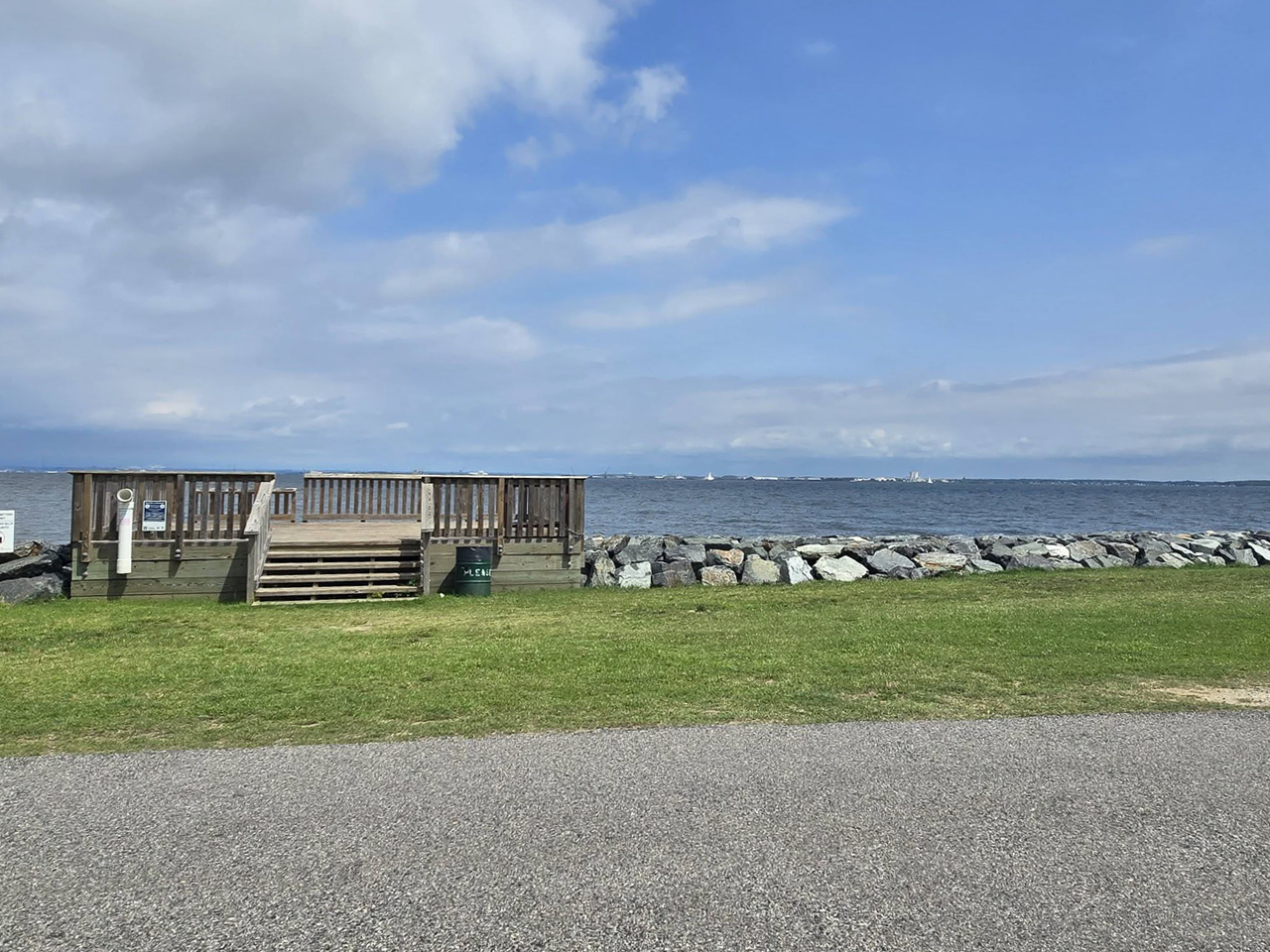
Fishing is permitted along designated sections of the park’s shoreline, from the park's fishing pier, and from fishing platforms located along the northernmost point in the park. Please refer to the park map for exact fishing locations.
- Fishing Pier: The park’s 380’ Bill Burton Fishing Pier is accessible and open to all anglers. The pier is open during normal park operating hours and is closed to the public during storms where lightning and/or thunder are present.
- Shoreline Fishing: Fishing from the park’s shoreline is permitted along the northern most point of the park between the fishing platforms. Shoreline fishing is not permitted along the park’s swimming beaches or conservation areas on the northern and western shorelines of the park.
- Fishing Platforms: The park offers 3 - 900 ft² fishing platforms for anglers to use along the northernmost point in the park. The platforms allow anglers to safely stand above the rock revetment protecting the shoreline. The platform nearest the designated parking at this fishing location is accessible. The platforms are open during normal park operating hours and are closed to the public during storms where lightning and/or thunder are present.
Note: Always observe posted signage and avoid fishing near boat ramps or restricted areas.
- Piers & Platforms: Always be aware of others fishing and practice safe casting techniques.
- Tides and Weather: Monitor weather conditions and be mindful of changing tides.
- Trash: Pack out all trash, fishing line, and discarded bait. Trash receptacles are widely available throughout the park. Monofilament line can be deadly to wildlife; use designated disposal containers located at the entrance of the fishing pier and fishing platforms.
- Fish Handling: Practice proper catch-and-release techniques for species you do not intend to keep.
- Best Tides: Fishing is often best during the change of tides (slack tide) or when the tide is moving. Consult a local tide chart before your visit.
- Gear: A medium-action rod and reel suitable for saltwater environments (resistant to corrosion) is recommended.
- Bait: Live bait (bloodworms, grass shrimp) and fresh cut bait (squid, fish pieces) are generally the most effective.
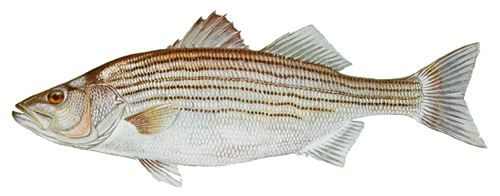
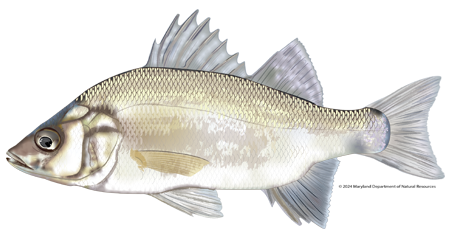
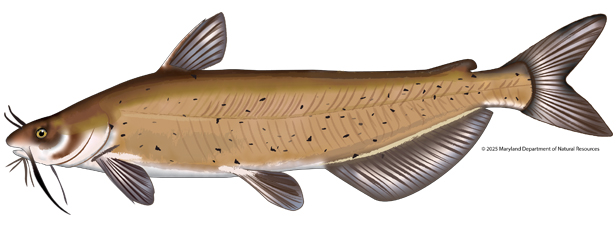
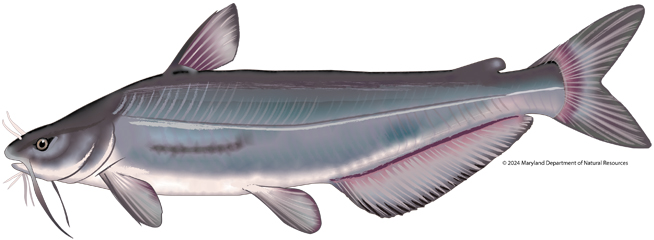
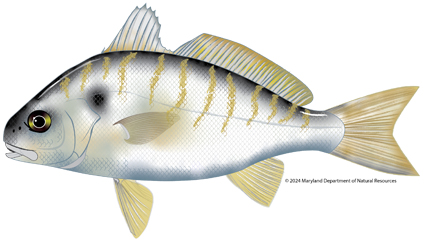
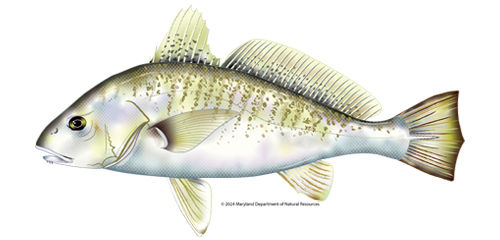
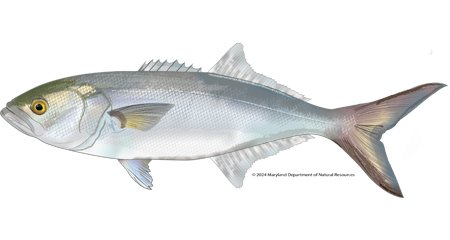
Types of Fish at Fort Smallwood Park